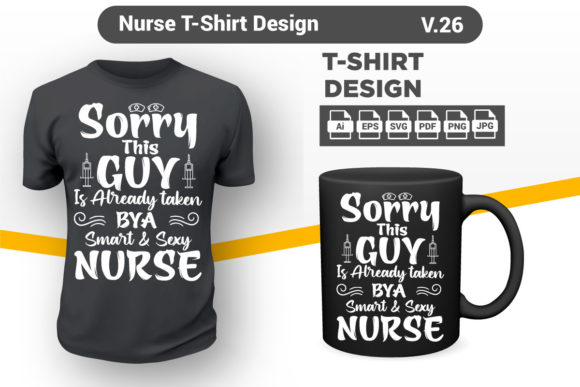
Nurse T-Shirt Design Review: A Practical Assessment
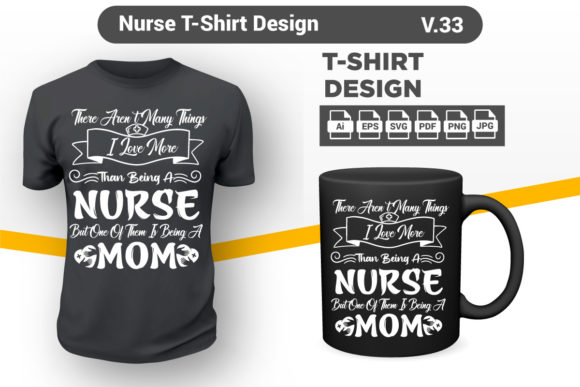
If you’re in the business of creating embroidered products, you know that not every digital file translates perfectly into stitches. Today, I’m looking at Nurse T-shirt Design Best Nurse Shirt 33 from the perspective of someone who’ll actually be hooping fabric and running a machine. This isn’t about the marketing description; it’s about what happens when this design leaves the screen and becomes a physical product.
The Immediate Visual Personality
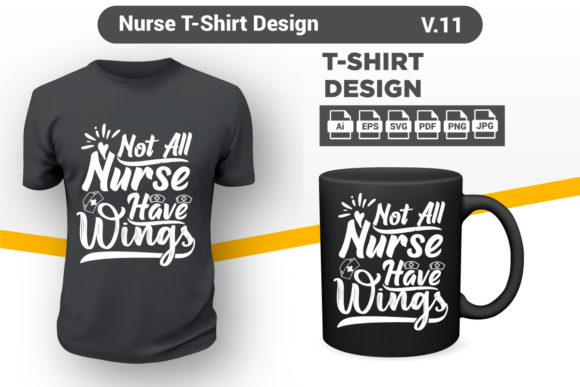
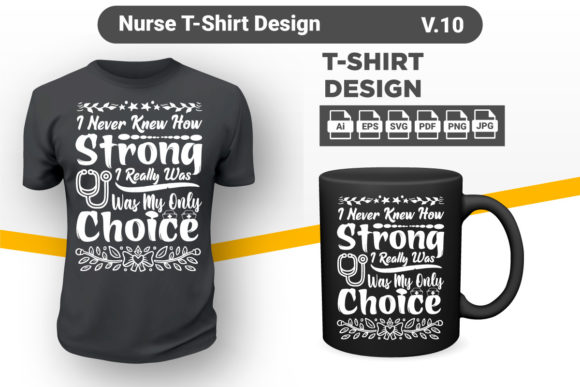
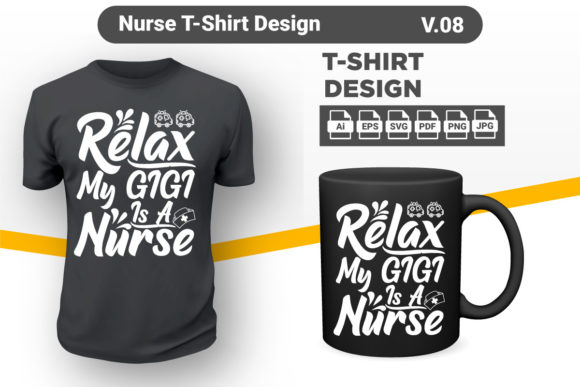
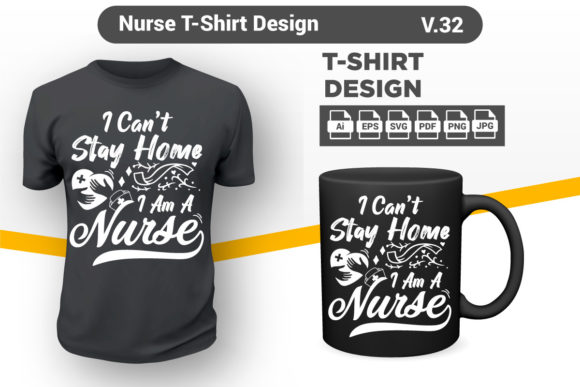
First impressions matter, both for you as the maker and for your eventual customer. This design has a clear, celebratory mood. It’s not overly clinical or stern; it feels appreciative and supportive. The layout is typically centered and bold, which is a classic choice for apparel embroidery. The level of detail appears to be balanced—not so minimalist that it feels empty, but not so intricately detailed that it becomes a stitching challenge on smaller items. It screams “gift” or “personal statement,” which is exactly what you want for a niche like nurse appreciation.
Where This Design Belongs in Your Project Lineup
Let’s talk real projects. I imagine this design as a centerpiece on a custom tote bag for a nursing student graduating—a practical gift they’ll use daily. It would also shine on a cozy sweatshirt, something for a nurse to wear on a day off. The theme lends itself perfectly to personalized gifts: think a baby onesie for a new mom who’s a nurse, or an apron for a nurse who loves to cook. For your small shop merchandise, this could be a staple for custom apparel during Nurses Week or as a thank-you gift from hospital families.
The strength of a design like Nurse T-shirt Design Best Nurse Shirt 33 is its recognizability. As an embroidery file, it taps into a specific community. That means for Etsy sellers or craft fair vendors, it can attract a ready-made audience looking for that perfect, handmade product to show their support. It could easily be adapted into an embroidered patch for a jacket or backpack, adding another product angle for your craft business.
Visual Appeal & Perceived Value After Stitching
How does this affect your finished product’s value? A clean, well-stitched version of this design on a quality garment immediately elevates it from a generic graphic tee to a thoughtful, custom piece. Customer trust grows when they see crisp lettering and solid fills—it shows professionalism in your execution. For brand consistency, if your shop focuses on healthcare appreciation items, this design fits that niche seamlessly. Its giftability is high; it’s a statement that doesn’t require explanation.
The Practical Embroidery Considerations
Now, the crucial part: how will it perform in real-life embroidery situations? This is a Print Templates and Graphics category item, so as an embroidery designer, your first step is conversion and testing.
You must consider stitch density. Areas that look solid in the graphic could become very dense with fill stitches, which can be stiff on lightweight t-shirts or stretchy fabrics. Always test the design on scrap fabric first. Use the same fabric you intend for the final product—a cotton tee, a polyester tote, a fleece sweatshirt. This reveals how the design behaves.
Check thread color contrast. This design likely relies on clear contrast between elements and the background fabric. Test it in black and white mockups mentally, and then physically stitch a sample on both light and dark fabric backgrounds. Dark fabrics might require a lighter underlay or different thread choices to keep the design bright.
Where to Exercise Caution
Some projects need extra forethought. Be careful with:
- Small hoop sizes: If the design is large, it might not be suitable for small items like caps or baby clothes without scaling, which can distort details.
- Textured fabrics: On terry cloth or thick blankets, fine details might get lost.
- Tiny lettering: If the design includes small text, satin stitches can blur. Review those details closely.
- Curved surfaces: Embroidering this on a cap requires careful positioning and possibly adjustment.
- Products needing frequent washing: High stitch density on thin fabrics can wear faster. Proper stabilizer is non-negotiable here.
Making It Work for Your Business or Clients
For commercial embroidery projects or for selling finished handmade products, your due diligence is key. Confirm the licensing terms for this digital embroidery file before selling any physical items or digital products derived from it. The product description mentions it’s for buying digital files for yourself, friends, family, or supporters—clarify if commercial use is included.
When preparing for a client project, say a bulk order of embroidered pillow covers for a nurse’s lounge, you’d want to stitch a perfect sample. This builds buyer engagement and proves your capability. The design’s clarity after stitching directly impacts that professionalism.
Your Designer Checklist Before Hooping
- Test on scrap fabric matching your final product material.
- Review stitch density and potential stiffness.
- Confirm the hoop size needed and if it fits your target item.
- Inspect all small details and lettering for stitch clarity.
- Compare how it looks on light versus dark backgrounds.
- Use the appropriate stabilizer for your fabric type.
- Check the license for commercial use if you’re selling finished items.
In the end, Nurse T-shirt Design Best Nurse Shirt 33 presents a solid theme with good potential for various embroidery projects. Its success hinges entirely on your technical preparation and understanding of how graphics translate to stitches. It’s not just a file; it’s a blueprint for a product that can carry real emotion and appreciation. Approach it with that practical mindset, and you’ll create something a nurse would genuinely love to wear or use.