Evaluating the Nurse T-Shirt Design for Real Embroidery Projects
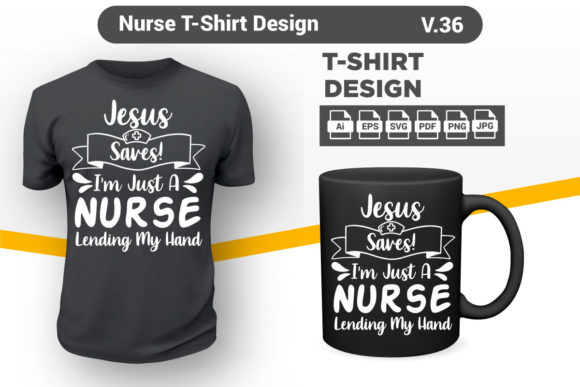
Whenever I evaluate a new embroidery design for my own work or for recommending to other makers, my first question is always the same: will this look like a thoughtful, well-executed product after it’s stitched? With the Nurse T-shirt Design Best Nurse Shirt 36, my immediate impression is one of straightforward, cheerful recognition. It feels designed for appreciation, not just decoration.
The Personality of the Design Before the First Stitch
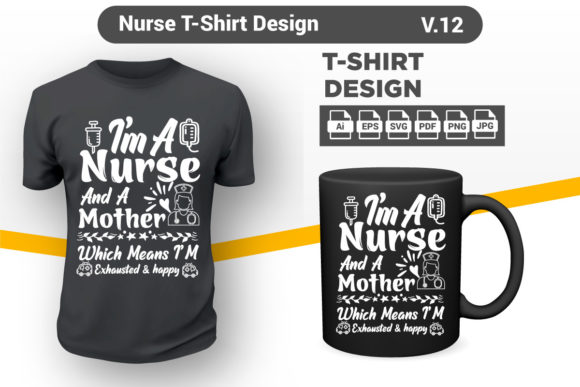
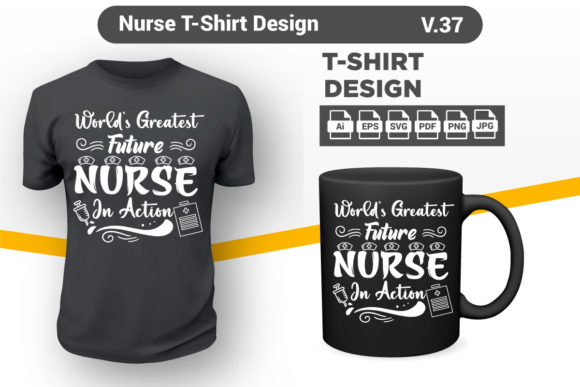
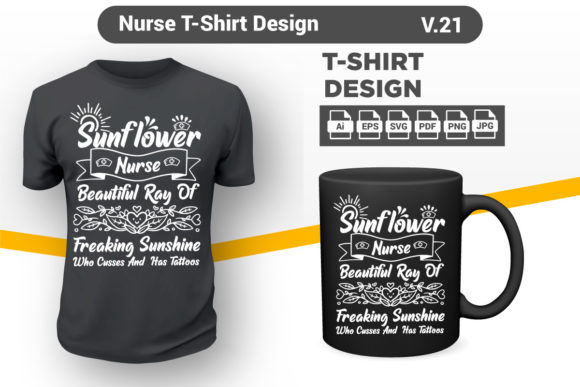
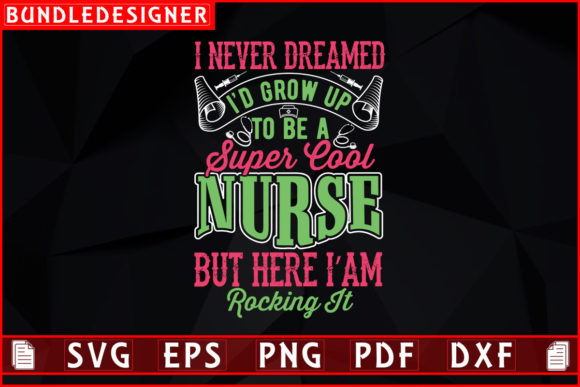
Looking at this as a graphic meant for conversion into stitches, I see a layout that’s built for clarity. The core message is prominent and uncluttered, which is exactly what you want for a design celebrating a profession. The visual personality leans into positivity and direct celebration. It doesn’t try to be overly complex or artistic; it aims to be clear and meaningful. This tells me it’s a design meant to be worn, displayed, or gifted with the intent of unambiguous appreciation.
For a practical embroidery designer, that’s a useful starting point. This design naturally belongs to projects where the sentiment is the star. Think of an embroidered tote bag for a nursing student graduating, a cozy sweatshirt for a long-time nurse, or a simple but heartfelt pillow cover for a nurse’s lounge. It’s a design that serves the purpose of recognition first, which is a solid foundation for a successful handmade product.
Where This Embroidery File Finds Its Best Home
Let’s walk through a real scenario. Imagine you’re preparing for a craft fair, and you want to offer a line of custom apparel for healthcare workers. You’re considering stitching this design onto a premium cotton tee, a soft fleece blanket, and a durable canvas apron. In each case, the design’s layout suggests it will scale well. The bold, central elements are likely to maintain their integrity across different hoop sizes, from a mid-size project on a sweatshirt to a larger statement on a tea towel or nursery decor wall hanging.
The detail level appears manageable. There aren’t tiny, intricate corners that would require perfect tension to avoid puckering. This is a relief for projects on slightly textured fabrics or curved surfaces like caps, where overly dense stitch areas can become problematic. For Etsy sellers and small shop owners producing items in batches, a design with this kind of clean, open composition means more consistent results and less frustration.
Visual Appeal and Stitching Clarity in Finished Products
How does this affect the final product’s value? When a design stitches out clearly, it boosts customer trust. The recipient or buyer sees a professional, clean result. For a gift celebrating a nurse, that clarity is part of the gift’s impact—it looks cared for, just like the profession it honors. This enhances the giftability and the perceived professionalism of your work as the maker.
In terms of brand consistency for a craft business, using designs with this kind of reliable visual personality helps. If your shop specializes in appreciative gifts, this design fits that narrative seamlessly. It engages buyers because it communicates a specific, warm message without requiring them to interpret abstract art.
Considerations for a Smooth Embroidery Project
Of course, no design is universally perfect for every application. While the Nurse T-shirt Design Best Nurse Shirt 36 looks adaptable, there are always situations that require extra care. On very dark fabric backgrounds, the potential for thread color contrast is crucial. You’ll need to review your thread palette to ensure the celebratory mood isn’t lost on a black or navy garment. Similarly, on thin or stretchy fabrics like certain baby clothes, the stitch density needs to be balanced with a proper stabilizer to prevent distortion.
I would be cautious about using it on very small items where the hoop size is limited, like a tiny patch or a baby bib corner, unless the design’s elements are confirmed to simplify well at a reduced scale. The lettering and any decorative accents need space to breathe to maintain stitching clarity. Always test on scrap fabric first, especially if you’re venturing into layered garments or products that will need frequent washing, like kitchen towels.
A Designer’s Practical Notes Before You Hoop the Fabric
My process with any new digital embroidery file involves a few key steps, and I’d apply them all here. First, run a test stitch on a scrap of your intended fabric—a mid-weight cotton for a t-shirt, a towel for a tea towel, etc. This checks the real-world stitch density and reveals any small details that might need slight adjustment for your machine.
Second, check thread color contrast. Don’t just assume the digital preview colors will translate perfectly. View the design in a black and white mockup to see if the values hold up. Compare how it looks on both light and dark fabric backgrounds in your software. Third, confirm the licensing. Since the product description mentions buying files for yourself, friends, family, or supporters, it’s imperative to verify the specifics for commercial embroidery if you plan to sell the finished items or use it in your craft business products. Never assume.
Finally, think about the product ecosystem. This design, as a graphic, could also serve well in printable mockups for your online listings or as part of a broader collection of design assets for healthcare appreciation gifts. Its straightforward nature makes it a candidate for clean, attractive product previews.
The Final Stitch: A Design Built for Meaningful Making
In the end, evaluating the Nurse T-shirt Design Best Nurse Shirt 36 from the perspective of real project use leaves me optimistic. It’s not a wildly complex design that will challenge your technique, but that’s often a strength. It’s a design whose value lies in its clear intent and adaptable layout. For embroidery designers and makers creating personalized gifts, boutique merchandise, or heartfelt holiday gifts, it provides a reliable foundation.
You can confidently imagine it stitched onto a custom tote bag for a nurse’s workday, embroidered onto a cap for a nursing team, or applied as a patch on a backpack. It feels destined for projects where the story—the appreciation for nursing—is what sells the product and touches the recipient. That’s a practical, realistic win for any maker looking to add a genuine, well-crafted design to their repertoire.