A Warm, Witty Design Perfect for Personalized Gifts
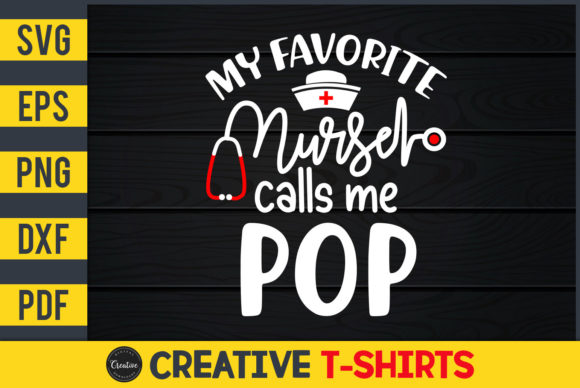
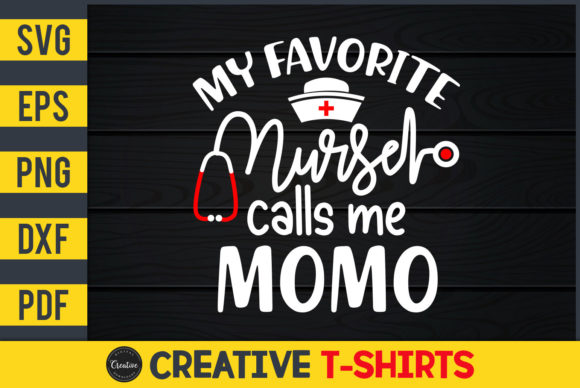
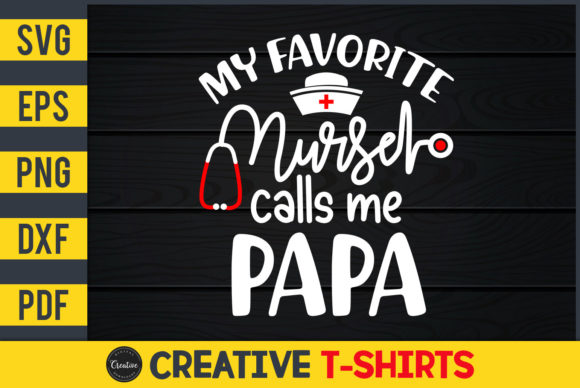
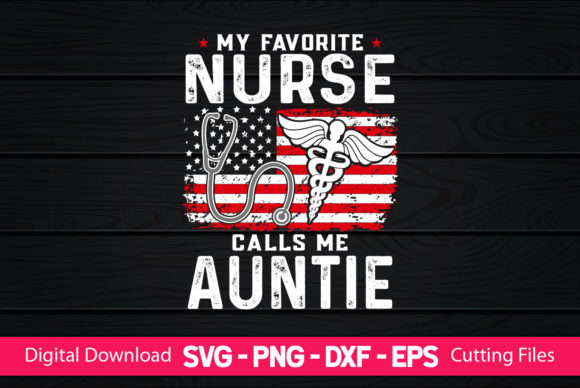
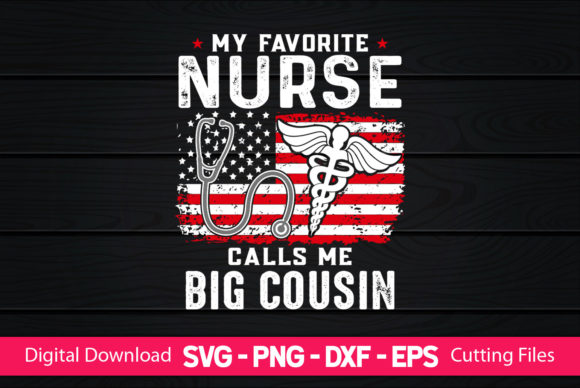
When I first opened My Favorite Nurse Calls Me Big Cousin, I smiled. It’s a design with immediate personality. It doesn’t shout; it leans in and shares a little joke. That’s the mood it creates: affectionate, slightly playful, and deeply personal. The layout, with its central text framed by simple graphic elements, feels balanced and ready for a clean embroidery stitch-out. As an embroidery designer, my first thought wasn’t about file formats, but about what kind of project this sentiment naturally belongs to. It’s clearly for a gift—something meant to honor a special relationship, a thank-you wrapped in humor.
Where This Design Shines in Real Projects
Imagine you’re preparing a custom embroidered tote bag for a nurse who’s been a rock for her family. This design isn’t just a label; it’s a story. The text is the hero here, and in machine embroidery, that means paying close attention to lettering clarity. On a mid-weight fabric like a canvas tote or a cotton apron, using a crisp satin stitch for the main phrase would look professional and gift-ready. I’d also consider it for a cozy sweatshirt or a pillow cover—products where the message can be displayed and enjoyed daily.
For baby clothes or nursery decor items, maybe a smaller version as a sweet accent on a blanket corner. The theme is family-centric, making it a strong candidate for holiday gifts or personalized products in a small shop. As an Etsy seller, I see this design popping up in mockups for “big cousin” appreciation merch, instantly communicating a niche, heartfelt connection that buyers seek. The visual personality is straightforward, which boosts brand consistency if you specialize in family-themed embroidery.
Scenarios That Demand a Careful Approach
While the charm is evident, a practical review means noting where My Favorite Nurse Calls Me Big Cousin might need extra consideration. The potential for small lettering details means you should be cautious on very textured fabrics or highly stretchy fabric like thin tees, where stitch definition can blur. On dark fabric, thread color contrast is paramount—a bold, light thread palette would be essential.
Embroidering on curved surfaces like caps requires simplifying or adjusting density so the design conforms nicely. Also, consider the product’s lifespan. Items like kitchen towels that need frequent washing benefit from a robust stitch density and proper stabilizer to keep the message intact. For very small hoop sizes, you might need to evaluate if all elements remain clear; sometimes scaling down a detailed design can compress the critical spacing.
How This Design Elevates Your Finished Product
From a business perspective, using a design with such a specific, warm message directly affects customer trust and buyer engagement. It shows you understand niche sentiments. The handmade presentation feels thoughtful, not generic. When stitched cleanly, the stitching clarity turns a digital file into a tangible, high-value item. For commercial embroidery projects, like a batch of gifts for a healthcare team, it adds a layer of personalized recognition that standard logos don’t achieve. Its giftability is inherent, which can drive sales for craft business owners during gift-giving seasons.
Essential Designer Notes Before You Hoop It
My standard practice with any new embroidery file is to run a practical test. For this one, I’d absolutely test the design on scrap fabric first, preferably on both a light and a dark background to judge thread color contrast. Inspect the small details in the provided files—the clean separation between elements is key for a smooth stitch-out.
Review the inherent stitch density in the file by previewing it in your software; a overly dense fill on delicate fabrics can be problematic. Confirm the hoop size you intend to use can accommodate the design width comfortably. Since the product description notes it includes multiple formats like SVG and DXF, which are common for cutting machines, remember that for machine embroidery you’ll need the specific embroidery file format compatible with your machine; always verify you have the correct file type before starting.
Crucially, always confirm licensing before selling finished items. The description classifies it under Print Templates and Graphics, so understanding whether it’s licensed for personal use, commercial use, or both is a fundamental step for any small shop product or digital product seller. This protects your business and your customer relationships.
The Final Take: A Design Built for Connection
My Favorite Nurse Calls Me Big Cousin succeeds because it carries emotion. In the world of embroidery projects, that’s what turns a simple stitched pattern into a cherished finished product. It’s not a flashy, all-purpose graphic; it’s a targeted, warm statement perfect for personalized gifts and niche craft fair products. As a designer, I judge it as a strong, practical asset for projects aiming to convey a specific, affectionate bond. Handle the technical setup with care, choose your fabric and application wisely, and this design will stitch out as a clear, professional, and deeply appreciated piece.