A Design Review: The Practical Appeal of 'Nurse is a Work Heart'
The Immediate Mood & Its Creative Potential
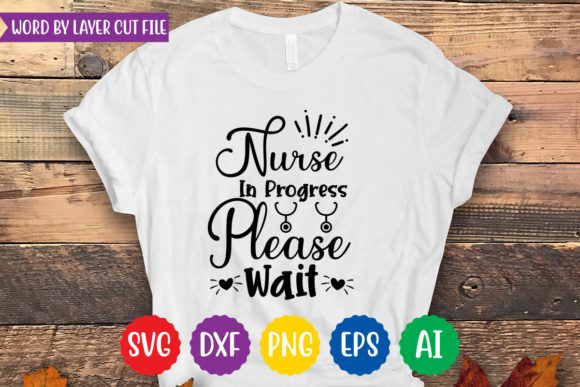
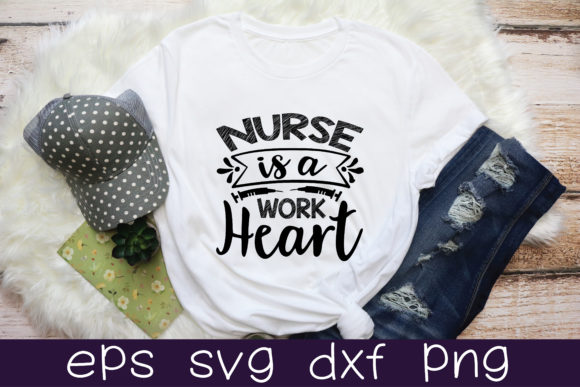
When I first saw ‘Nurse is a Work Heart,’ its charm was immediate. It’s not just a graphic; it’s a statement of appreciation wrapped in a simple, heartfelt phrase. The wording, “Nurse is a Work Heart,” feels both personal and universal. For an embroidery designer, this translates into a design that carries emotional weight without being overly complex. It creates a mood of gratitude, recognition, and warmth. This isn’t a loud, flashy piece—it’s a quiet, meaningful one. Its visual personality leans toward sincerity, making it a perfect candidate for projects where the message is the primary gift.
The layout, with its clean typographic focus, means it’s inherently adaptable. As a graphics file intended for cutting software, the key for us in embroidery is interpreting those lines into stitches. This design naturally belongs to projects where the text is the hero: a central motif on a tote bag, a bold statement on a sweatshirt pocket, or a delicate addition to a pillow cover. It’s the kind of embroidery design I’d pull for a custom order from someone looking to honor a nurse in their life—perhaps for a retirement gift, a thank-you after a long hospital stay, or a personal item for a nurse themselves.
Where It Shines in Real Embroidery Projects
Imagine preparing a custom embroidered canvas tote bag for a client who wants to thank their oncology nurse. This is the exact scenario where ‘Nurse is a Work Heart’ would excel. On a sturdy, neutral-colored bag, using a confident satin stitch for the letters, the design would become a permanent, wearable token of appreciation. It would look clean, professional, and deeply personal. The sentiment guarantees a positive reaction; the craftsmanship elevates it from a simple message to a cherished item.
This embroidery file has wide applicability. For custom apparel, it’s a strong contender for the left chest of a polo shirt or a centered placement on a hoodie. On baby clothes or items for a nurse’s own child, scaled down with careful stitch density, it becomes a sweet, personal touch. As an embroidered patch, it could be applied to a cap or apron, offering versatility. For home decor like pillow covers or kitchen towels in a nurse’s home, it adds a personalized, proud accent. For small business merchandise or Etsy listings from shops catering to healthcare professionals, it’s a ready-made design asset that resonates with a specific, appreciative audience. Its value lies in its clarity and emotional resonance, which builds customer trust and enhances the handmade presentation.
Navigating the Practical Challenges of Stitching
While the design is beautifully straightforward, its successful embroidery depends on thoughtful execution. The phrase’s lettering is the entire focus, so stitching clarity is paramount. Here’s where practical judgment comes in.
You must use this design carefully on small hoop sizes. If the text is too condensed, the small lettering can become muddled, especially in words like “Work.” Textured fabrics like thick sweaters or stretchy fabrics like t-shirts require excellent stabilizer choice to keep those crisp lines. On dark fabric, thread color contrast is critical; a bright, clean white or a soft pastel might be needed to ensure the message pops without strain. Applying it to curved surfaces like caps requires testing the layout to avoid distortion.
The real test is in the details. The spaces within the letters, the potential for dense stitch areas if using a fill stitch, and the overall balance need scrutiny. I always advise testing on scrap fabric first, mimicking the final product’s texture. Does the design hold its personality when stitched? For a design like this, it absolutely should, but only if the machine embroidery setup respects its simplicity.
Essential Designer Notes Before You Hoop
- Test the design on a scrap of your intended final fabric. This is non-negotiable.
- Review thread color contrast. Plan for both light and dark background versions.
- Check stitch density in your embroidery software before running the file. Adjust if necessary for finer fabrics.
- Confirm your hoop size can accommodate the design at your desired scale without compromising small details.
- Use proper stabilizer. For textiles like tees or totes, a good cut-away might be best for durability.
- Consider the end-use. Will this be a frequently washed item, like a baby blanket? Ensure your stitch choices and stabilizer can handle it.
- Always, always confirm the licensing terms of the original digital file before selling finished items or using it in commercial embroidery projects. The product description mentions it’s an instant download file compatible with various machines, but the license for derivative physical products is a separate, crucial consideration.
The Final Stitch: Impact on Your Craft Business
From a business perspective, ‘Nurse is a Work Heart’ is a solid, reliable design asset. It taps into a niche but profoundly grateful market. For creative entrepreneurs and apparel decorators, it offers a ready-to-use concept that doesn’t require elaborate customization. Its giftability is high, and its recognition factor is instant. When stitched well, it communicates professionalism and care—both in the nursing profession it honors and in your own craftsmanship.
In the end, this design’s power is in its straightforward sentiment. As an experienced designer, I see it not as a complex technical challenge, but as an opportunity to create something meaningful with clean, confident stitches. It reminds us that sometimes the most effective embroidery projects are those that speak directly from the heart, or in this case, about a heart at work. It’s a design I’d confidently queue up for a real client project, knowing that the final embroidered product will carry its weight not in stitches, but in genuine appreciation.