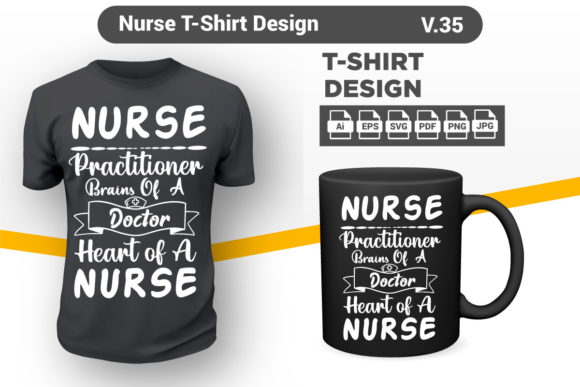
A Close Look at the Best Nurse Shirt 35 Embroidery Design
When a new embroidery design arrives, my first question is always: where does it belong? I’m not just looking at the file on my screen; I’m picturing it stitched out, on fabric, in someone’s hands. The Nurse T-shirt Design Best Nurse Shirt 35 arrived as a digital file in the Print Templates and Graphics category, and my immediate thought was its straightforward, confident appeal. This isn’t a overly sentimental design—it carries a clear, professional pride.
The Personality of a Practical Design
The design’s layout and theme suggest a clean, wearable statement. It’s built for recognition. For a crafter or a small business owner, this is key. You’re not creating abstract art; you’re creating a product that resonates instantly. The mood here is appreciative and respectful, perfect for a gift from a patient’s family, a self-purchase by a nurse, or a team morale item from a hospital unit. Its visual personality leans towards classic rather than trendy, which, in my experience, often has wider and longer-lasting appeal.
Where This Design Finds Its Home
In real-life embroidery, I immediately envision this on a heavyweight cotton tee or a cozy crewneck sweatshirt. The design’s scale and detail level would translate beautifully there. But its utility goes far beyond that. I’m thinking through a typical week’s projects: a custom tote bag for a nursing student, an apron for a home-health nurse, a sturdy pillow cover for a nurse’s lounge, or even a neatly embroidered patch that could be applied to a backpack or a cap. For a baby gift celebrating a nurse mom, a simplified version on a small baby bib could work if the detail is managed carefully.
For Etsy sellers or boutique owners, this design is a solid candidate for holiday gifts—think Nurses Week or Christmas—or as year-round personalized merchandise. It fits into the niche of custom apparel and personalized gifts seamlessly. The value comes from its clear purpose; a customer looking for a nurse-themed item would recognize and connect with it immediately, boosting engagement.
Considering the Stitch: Practical Performance Notes
Moving from idea to machine, the practical considerations start. This is where a designer’s experience really tests a digital embroidery file. Based on the design’s apparent composition, I’d pay close attention to any small lettering or intricate corners. Stitch density in the central elements will be crucial—too dense on a lightweight tee could cause puckering, while too light on a towel might look sparse.
I would absolutely test this on scrap fabric first. Not just one scrap, but two: a light cotton and a dark polyester blend. This checks both thread color contrast and how the design behaves on different fabric textures. The choice of stabilizer will be paramount, especially if you plan to run this on stretchy fabric like a standard t-shirt or on a curved surface like a baseball cap.
Caution Areas for Optimal Results
There are a few scenarios where I’d proceed with extra care. If the design has very fine details, using a very small hoop size might compromise clarity. Embroidering on thin, silky fabric without the right stabilizer could lead to a nightmare of distortion. Similarly, on textured fabrics like a sweater or a waffle-weave towel, the fill stitches might not appear as sharp.
For products destined for frequent washing, like kitchen towels or everyday hats, the integrity of the stitches over time matters. A robust satin stitch border or clean fill stitches would hold up better than delicate running stitches in high-wear areas. This affects customer trust and the perceived quality of your handmade product.
From Digital File to Finished Product Value
How does this design translate into a product’s value? A clean, well-executed embroidery job using this design elevates a simple garment into a meaningful item. For a creative entrepreneur, that’s the core of the business. The professionalism of the final stitch-out—clear letters, smooth curves, no thread breaks—directly impacts your brand consistency if you’re selling multiple items.
The giftability is high. A nicely embroidered tea towel or a premium tote with this design feels thoughtful and specific. In a craft business context, it’s a design that can be adapted: perhaps just the main graphic on a small baby romper, or the full design on a large blanket for a nurse’s home office. This adaptability is a practical asset.
Essential Designer Pre-Checklist
Before I’d ever load this into my machine for a client project or my own small shop product, my internal checklist runs:
- Test stitch-out on scrap fabric that mimics the final project fabric.
- Check the design in both black and white digital mockups to judge contrast and form.
- Confirm the physical hoop size needed and ensure my machine can handle it.
- Inspect the file on-screen for any potential trouble spots like tiny details or overly tight corners.
- Verify the licensing terms for this digital embroidery file. Can it be used for commercial embroidery projects, or only for personal gifts? This is a critical step before selling any finished product.
- Plan thread colors carefully, especially if stitching on a dark background—you may need brighter or bolder hues than the screen preview suggests.
These steps aren’t just precaution; they’re the habits that turn a good digital design into a great embroidered reality. The Nurse T-shirt Design Best Nurse Shirt 35 has the foundational appeal to be that great reality. It’s a design that serves a clear community with respect. With the right technical attention to fabric, stabilizer, and stitch execution, it can become a staple in a crafter’s portfolio for creating appreciated gifts and reliable merchandise.
My final thought, as I imagine this design stitched onto a soft, navy blue sweatshirt, is that its strength is its clarity. It speaks directly to its audience. For makers, that’s often the best kind of embroidery project to have in your library—one that does the talking for you, while your skill in the execution does the selling.